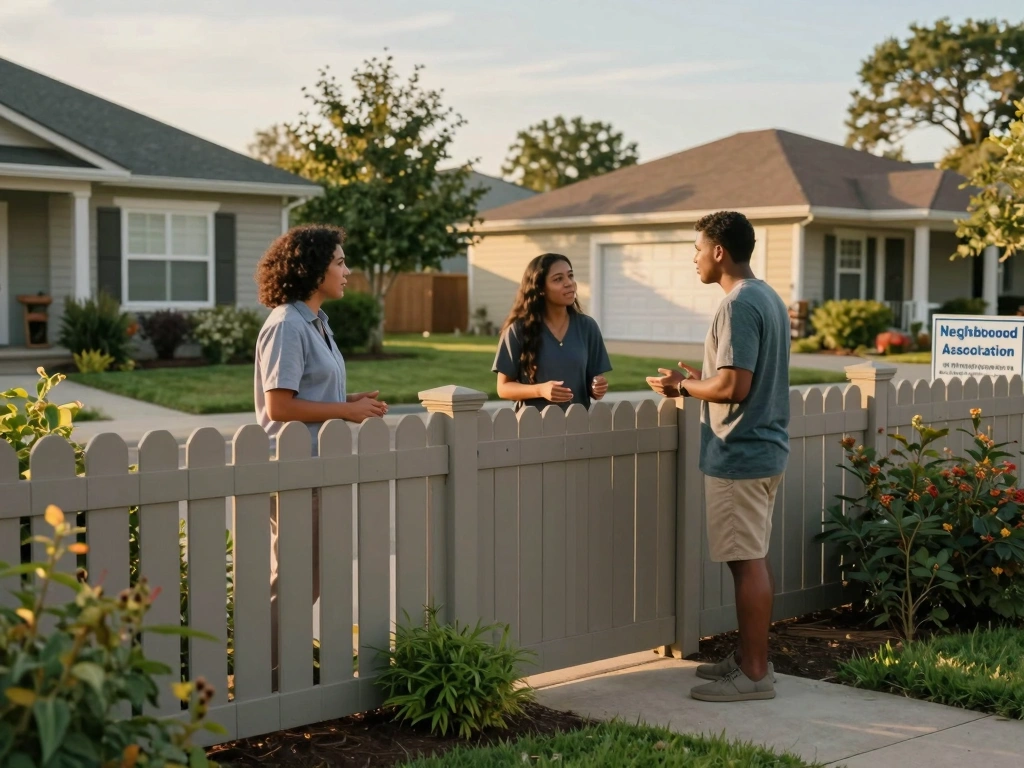
Understanding Community Needs and Goals
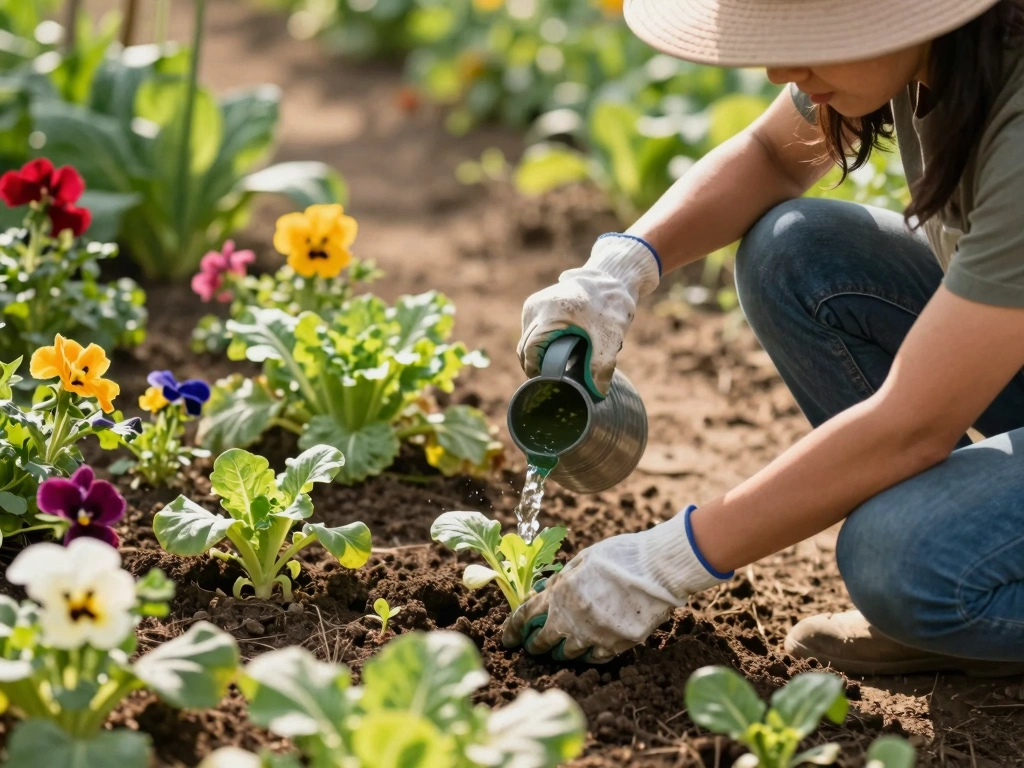
Running a crowdfunded community garden begins with a deep understanding of the community's needs and goals. This foundational step lays the groundwork for a successful initiative that resonates with the local population.
Conducting a Community Survey
A community survey is an invaluable tool for gauging interest and gathering input from potential participants. A well-structured survey can provide insights into what types of plants the community would like to grow, preferred garden features, and any existing gardening experience among community members. - **Sample Questions to Include:** - What types of plants would you like to grow (vegetables, flowers, herbs)? - Are you interested in participating in garden maintenance? - What resources would you need to feel comfortable gardening? - Would you attend workshops on gardening techniques? Distributing the survey can be done through online platforms like Google Forms or distributed in-person at community events. Aim for a response rate of at least 30% to ensure a representative sample of community opinions.
Identifying Key Stakeholders
Identifying and engaging key stakeholders is crucial for the success of your community garden. Stakeholders may include local government officials, nonprofit organizations, schools, and local businesses. - **Engagement Strategies:** - **Meetings:** Host initial meetings to discuss the garden project and gather feedback. - **Partnerships:** Consider forming partnerships with local businesses for sponsorship or resource donations. - **Advisory Board:** Create an advisory board that includes representatives from various stakeholder groups to ensure diverse perspectives are included in decision-making.
Defining the Garden's Purpose
The purpose of the community garden should reflect the collective desires of the community while also addressing local needs. Common purposes may include: - Providing fresh produce to low-income families. - Creating a space for educational workshops on sustainable gardening. - Fostering community relationships and improving local biodiversity. Clearly defining the garden's purpose will guide all subsequent decisions, from design to funding strategies.
Designing the Garden Space Effectively
Once the community's needs and goals are understood, the next step is to design an effective garden space that is both functional and inviting.
Choosing the Right Location
Selecting a suitable location for your community garden is critical. Look for areas that are easily accessible and visible to the community, such as vacant lots, schoolyards, or parks. Consider the following factors: - **Sunlight Exposure:** Ensure the location receives at least 6-8 hours of sunlight daily. - **Soil Quality:** Conduct a soil test to check for contaminants and nutrient levels. If necessary, amend the soil with organic matter. - **Water Access:** Proximity to water sources is essential for irrigation. If a tap is unavailable, consider rainwater harvesting systems. For instance, the "Eastside Community Garden" in Austin, Texas successfully transformed a blighted lot into a vibrant garden, primarily due to its central location near public transportation.
Creating a Sustainable Layout
A sustainable layout maximizes productivity while minimizing environmental impact. When designing the garden, consider: - **Raised Beds:** Utilize raised beds to improve soil drainage and reduce weed growth. They can also help maintain a defined growing area. - **Companion Planting:** Plan for companion planting to enhance biodiversity and reduce pests naturally. For example, planting marigolds with vegetables can deter harmful insects. An effective layout should also include communal spaces for gatherings and educational activities, such as picnic areas or benches.
Incorporating Biodiversity and Accessibility
Incorporating biodiversity promotes ecological balance. Aim to plant a variety of species that attract beneficial insects and pollinators. - **Native Plants:** Use native plants to support local wildlife and reduce the need for irrigation. - **Accessible Design:** Ensure pathways are wide enough for wheelchair access and that raised beds are at different heights to accommodate all community members. The "Green Thumb Garden" in Los Angeles exemplifies this approach, incorporating diverse plant species while ensuring accessibility for all community members.
Implementing a Crowdfunding Strategy
With the garden design in place, the next step is to secure funding through a well-planned crowdfunding strategy.
Selecting the Right Crowdfunding Platform
Choosing the right crowdfunding platform is pivotal to your success. Popular platforms like GoFundMe, Kickstarter, or Indiegogo each have their unique features and audience. - **Platform Comparison:** - **GoFundMe:** Best for personal causes and community projects, no deadlines for fundraising. - **Kickstarter:** Ideal for creative projects but requires reaching your goal to receive funds. - **Indiegogo:** Offers flexible funding options, allowing you to keep funds raised even if the goal isn’t met. Evaluate the pros and cons of each platform based on your specific project needs and community engagement levels.
Crafting an Engaging Campaign Story
Your crowdfunding campaign should tell a compelling story that resonates with potential donors. Highlight the community needs identified in your survey, articulate the garden's purpose, and share personal anecdotes from community members. - **Key Elements to Include:** - High-quality images of the proposed garden space. - Testimonials from community members about the importance of the garden. - A clear breakdown of how funds will be used (e.g., soil, seeds, tools). For example, the "Springfield Community Garden" campaign raised over $5,000 by sharing heartfelt stories from local families about the impact of access to fresh produce.
Setting Realistic Funding Goals
Setting a realistic funding goal is essential for a successful crowdfunding campaign. Research similar projects to gauge average funding levels. - **SMART Goals:** Your goal should be Specific, Measurable, Achievable, Relevant, and Time-bound. For instance, aiming to raise $3,000 in 30 days to cover the initial costs of soil, seeds, and tools. Setting a stretch goal can also motivate donors to contribute more if they see that the campaign is on track to exceed its initial target.
Building and Maintaining Community Engagement
Once funding is secured, fostering ongoing community engagement is crucial for the garden's success.
Organizing Volunteer Days
Regular volunteer days not only help maintain the garden but also strengthen community bonds. Organize events that are open to everyone, including families and children. - **Event Ideas:** - Planting days in the spring. - Harvest festivals in the fall. - Regular maintenance days throughout the growing season. Promote these events through social media, flyers, and community boards to maximize participation.
Creating Educational Workshops
Offering educational workshops can empower community members with gardening skills and knowledge. Topics might include: - Organic gardening techniques. - Pest management strategies. - Seasonal planting guides. Consider partnering with local gardening experts or universities to lead these workshops, boosting credibility and engagement.
Establishing Regular Communication Channels
Regular communication is vital for keeping the community informed and engaged. Utilize multiple channels to reach different demographics: - **Social Media:** Create a garden-specific Facebook page or Instagram account to share updates and photos. - **Newsletters:** Send out monthly newsletters via email detailing upcoming events, workshop schedules, and garden progress. - **Community Meetings:** Host quarterly meetings to discuss progress, gather feedback, and plan future activities. For example, the "Harvest Hope Garden" in Portland, Oregon effectively utilizes social media to keep community members engaged and informed about their initiatives.
Evaluating Success and Planning for the Future
As the garden matures, it’s crucial to evaluate its success and plan for long-term sustainability.
Measuring Community Impact
Assessing the impact of your community garden involves both qualitative and quantitative measures. Consider the following metrics: - **Participation Rates:** Track volunteer hours and workshop attendance. - **Produce Distribution:** Measure the amount of produce harvested and shared within the community. - **Community Feedback:** Conduct follow-up surveys to gather opinions on the garden's impact. For instance, the "Greens for All" initiative in Seattle measures its success by tracking the number of meals provided to local food pantries from garden harvests.
Documenting Lessons Learned
Documenting lessons learned throughout the process can greatly benefit future projects. Keep a journal or digital record of: - What worked well and what didn’t. - Community engagement strategies that were particularly effective. - Financial successes and challenges. This documentation can serve as a guide for subsequent community garden initiatives in your area.
Planning for Long-Term Sustainability
To ensure the longevity of the community garden, consider the following strategies: - **Membership Models:** Implement a membership system where members contribute a small fee for continued access to garden resources. - **Grant Applications:** Research and apply for local and national grants focused on community development and sustainability. - **Community Partnerships:** Maintain relationships with local businesses and nonprofit organizations for ongoing support and resources. The "Urban Oasis Garden" in Chicago has thrived for over a decade by diversifying its funding sources and continuously engaging the community.